
Read all about it!

Croft Preservation specializes in safeguarding homes from damp and rot with expert prevention and treatment services. Learn how our proven methods can protect your property from costly damage and ensure long-lasting structural health.

All news and updates

News
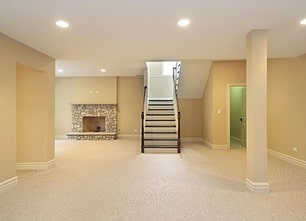
How to Prevent Basement Mould

If allowed to thrive, mould can wreak havoc on your home and health. That’s why it’s crucial you take steps to prevent it from forming wherever possible.

Croft Preservation have been dealing with damp and mould problems for over 35 years. In this guide, we explain what causes mould to grow in basements, why it’s dangerous, and how to prevent it in the first place.

What causes mould to grow in basements?

Mould is a type of fungus that grows in warm, moist environments. It feeds on dead organic material like wood, paper, and drywall, and can cause permanent structural damage to your property if left unchecked.

Because basements are underground, their exterior walls are in constant contact with the surrounding earth. Water retained in the earth can easily seep in through this contact, leading to damp and mould growth down the line.


Why is mould in your basement dangerous?

Mould can produce allergens, irritants, and in some cases, potentially toxic substances (mycotoxins). Inhaling or touching mould spores has been linked to a number of health problems, including nasal congestion, eye irritation, coughing, sneezing, and skin rashes. More rarely, mould exposure can lead to more serious health problems, such as asthma attacks or infections in the immune system.

Reactions to mould are common and can be immediate or delayed. Children, older people, and those with respiratory problems are especially at risk.

Even if you rarely go into your basement, any mould in your house is a problem. Microscopic mould spores can latch onto your clothes and travel from your basement to other rooms, eventually infesting your entire house – not ideal!


How do you prevent mould from growing in your basement?

The key to preventing mould is to control moisture levels and remove potential food sources. You can do this by cleaning and drying surfaces thoroughly, relocating organic materials (like cardboard boxes or clothing), and repairing leaks or other sources of moisture.

Unfortunately, mould is tenacious. It can grow deep within your walls, and may not be visible until it has penetrated through to the plasterwork. The most effective method to prevent this is to have your basement ‘tanked’. Tanking involves installing a damp proof course or waterproof membrane onto the walls and floor of your basement. This will repel water and keep your basement dry from the outside in.

There are a variety of methods for tanking a basement, including cementitious coatings, chemical injections, and sheet membranes. The ideal method depends on the specific properties of the basement.


Protect your basement for the long term with Croft

Worried about mould in your basement? Whether you’ve spotted the telltale signs or just want to play it safe, having your basement tanked is the best way to prevent mould from forming on it.

A leading provider of mould treatment services, Croft Preservation have been servicing properties in Dorset and Hampshire since 1985. Aside from being able to effectively remove mould from your basement, our team is equipped with the tools and techniques to protect it from future recurrences with a high-performance damp proofing solution.

Get a quote online or call us on 01202 737739!

 

News
How to spot and get rid of condensation in your home

In fact, according to a survey by consumer experts Which?, 31% of participants reported that they had experienced issues with condensation in their homes.

What is condensation?

Condensation is droplets of water that appear on walls and windows, sometimes leading to the formation of dark mould. While more modern properties are designed to keep water out in the first instance, older properties were often built to ‘breathe’, meaning they can typically suffer from condensation issues.

What causes condensation?

A very common form of damp, condensation can be exacerbated by poor ventilation and heating, as this allows warm, damp air to condense. Bathrooms and kitchens can be particularly affected by moist condensation and this can be worsened in the colder months.

How to spot condensation

You can typically identify condensation in your home by noticing water droplets on walls and windows. Sometimes you might see dark mould appearing in the affected areas which may give off an unpleasant, musty smell. To clear condensation from a window, you can simply wipe it with a clean cloth.

If condensation isn’t treated, it can damage plaster and paint and may cause your window frames to decay.

Ways to tackle condensation

There are some things that you can do to resolve issues with condensation in the first instance:

  • Increase ventilation in the affected rooms
  • Open windows where possible. This can really make a difference
  • Consider getting vents installed in air bricks, roof ventilation tiles and in windows
  • Install a fan in affected rooms like the kitchen or bathroom. This can help to remove the moisture from the air
  • Use a dehumidifier
  • Use pan lids when cooking to reduce the moisture created by water boiling. If you have one installed, be sure to use your extractor fan (leave it running for 10-15 minutes after cooking, to help to clear the humid air)
  • Dry your clothes outdoors where possible. If this isn’t possible, try to hang them in the bathroom to dry and keep the windows and door fully closed
  • Ensure your washing machine and tumble dryer are correctly vented
  • Use your extractor fan when using the shower or having a bath. This will remove the steam and moisture that is created by running warm water in a cold environment. If you don’t have an extractor fan in the bathroom, it’s worth considering
  • Move furniture away from external walls. This helps air to circulate

Need help with condensation in your home?

Each type of damp needs to be treated in different ways, so the first port of call is to identify the cause of damp and mould in your home. If you’re unsure about the type of damp you have in your home, or the above tips aren’t enough to tackle your condensation properly, our experienced team are here to help.

We have over thirty years’ experience installing damp proofing solutions that can tackle existing damp and stop it coming back. For more information or to arrange a survey of your property, please get in touch with our friendly team today on 01202 737739.

News
Are Woodworms More Likely to Infest Rotting Timber?

Wood is still a common building material thanks to its excellent strength-to-weight ratio, renewability, and widespread availability. The only problem? As an organic material, wood is vulnerable to rot.

In the natural world, rot plays a vital role in breaking down dead organic matter and supporting the growth of new life. However, when the wood in your home starts to rot, it’s a much bigger problem.

Rot (whether wet or dry) can weaken structures, compromise safety, and require costly repairs or replacements. It’s also a big draw to some very unwelcome guests – namely, woodworms.

At Croft Preservation, we have over 25 years of experience dealing with rot and woodworm infestations. Let’s delve into what woodworms are, why they like rotting wood, and how best to tackle them!

What are woodworms?

Woodworms are the larvae of various types of wood-boring beetles. These beetles lay their eggs in the crevices and pores of wood, and when the larvae hatch, they burrow into the timber and feed on it.

If not caught in time, woodworms can do serious damage to a property. Woodworm larvae tunnel through the wood, creating a network of tunnels and galleries as they feed. Over time, this can weaken the structural integrity of wooden beams, floors, furniture, and other wooden components in the property. Severe infestations can lead to structural instability and even potential collapse.

Are woodworms attracted to rotting wood?

Yes. In fact, rotting timber provides the perfect environment for woodworms to flourish. Here’s why:

  • The eggs laid by wood-boring beetles need moisture to hatch and for the larvae to survive and develop. Rotting timber tends to have higher moisture content, which is why woodworms are so attracted to it.
  • Rotting timber is usually softer and easier for the woodworm larvae to burrow into. Healthy and sound timber is more resistant to infestation due to its stronger structural integrity.
  • Wood-boring beetle larvae feed on the wood as they tunnel through it. Rotting timber often has a higher concentration of nutrients, such as lignin, that serve as food for the larvae.

With that said, woodworms don’t exclusively infest rotting wood – they can also attack freshly cut timber or other types of unprotected wood.

To minimise the damage caused by woodworms, it’s essential to detect and deal with them quickly. Regular inspections, especially in areas prone to moisture or where wooden components are present, can help identify signs of infestation, such as small exit holes, frass (powder-like waste), or weakened wood.

How do you treat woodworm-infested rotting timber?

No one likes finding rot in their home, and it’s even more difficult if woodworms are present as well. Luckily, both problems can be dealt with.

Although the exact process depends on the scope of the problem, treating woodworm-infested rotting timber usually involves a few different steps:

  • A property survey to assess the extent of the woodworm infestation and determine the condition of the rotting timber
  • Remedial action (such as fixing leaks or improving ventilation) to prevent further decay
  • Replacing or reinforcing damaged sections of the timber
  • Spraying insecticide to eliminate the insects
  • Applying a wood preservation treatment to prevent recurrences

It’s a complex process, so unless you have the tools and expertise, your best bet is to call on the professionals.

Enjoy a clean and safe property with Croft

With over 25 years of experience, the team at Croft Preservation are one of the South’s leading names in rot and woodworm treatments.

After identifying the scale of the problem, we’ll use a fast-acting insecticide to eliminate all traces of woodworm from your timber. We’ll then repair or replace the damaged components and apply a high-quality preservative treatment that safeguards against future occurrences. This guarantees long-lasting protection and transforms your home into a clean, safe haven for you and your loved ones.

Book a survey online or give us a call at 01202 737739. We’re more than happy to help you in any way we can!

News
Can Woodworms Be Dangerous to Your Health?

Now, all of that sounds bad enough… but could they also pose a risk to your health as well? We’re here to find out.

Croft Preservation are the South’s go-to experts in woodworm treatment and timber preservation. Below, we explore the potential risks of a woodworm infestation and explain what you should do if you suspect you have one in your home.

What are woodworms?

First things first: what is a woodworm, anyway?

Despite the name, woodworms aren’t really worms – ‘woodworm’ is a general term used to refer to a variety of wood-boring beetle species. These include the common furniture beetle, the powderpost beetle, and the ominously named deathwatch beetle.

Woodworms lay their eggs on or inside the surface of wood. When the eggs hatch, the larvae bore into the wood, feeding on its cellulose and creating tunnels as they move through the material. As they grow, the larvae transform into adult beetles, which then emerge from the wood and mate, continuing the life cycle.

Can woodworms pose a risk to your health?

Thankfully, woodworms themselves are not typically dangerous to human health. While they can cause a lot of damage to wooden structures and furniture, they’re not known to carry any diseases that can be transmitted to humans.

However, if you have an infestation of woodworms in your home or workplace, you may be exposed to a large amount of wood dust and debris. This can potentially lead to respiratory issues, especially if you have asthma or allergies. In rare cases, exposure to wood dust can cause a condition called “woodworker’s lung”, which is a type of occupational asthma caused by inhaling wood dust over a prolonged period of time.

If you suspect you have a woodworm infestation, your best bet is to seek out the help of a professional. They’ll have the tools and expertise to remove the infestation safely, as well as to make sure the space is ventilated enough to avoid a build-up of dust in the air.

How do you treat and prevent woodworms?

Although woodworms themselves aren’t dangerous, the damage they cause can be. Over time, woodworms can create safety hazards by compromising the structural integrity of a building – for example, if a roof beam has been weakened by woodworms it may eventually fail and cause the roof to collapse. That’s why it’s so important to get a woodworm infestation treated as soon as you spot the signs.

Of course, prevention is always better than a cure. To prevent woodworm infestations, make sure all wood is properly sealed and finished, kept out of damp areas, and regularly inspected for signs of infestation such as small holes and sawdust.

Woodworm treatment is a complex process involving harsh chemicals and advanced technology, so it’s essential that it’s carried out by a trained professional.

Banish woodworm from your home with Croft Preservation!

For over 26 years, the team at Croft Preservation have been providing first-class treatment services to properties across the South.

Thanks to our decades of experience, we have the know-how to effectively eliminate all traces of woodworm from your home. We can then replace the damaged timbers and coat them in a high-quality preservative treatment, protecting them from a future recurrence and keeping your home a clean, safe place for you and your family to live in.

Book a survey online or call us on 01202 737739 – we’re happy to help!

News
The Complete Guide to Woodworm Treatment

If you’re worried about woodworm invading your property, Croft Preservation are here to help. As property care experts, we can guide you through everything from spotting the early signs to effective prevention and treatment. Keep reading to learn how to protect your home!

What is Woodworm?

Woodworm is actually the larval stage of various beetle species. After hatching from eggs, these larvae burrow into wood, feeding on its cellulose. They create tunnels as they eat their way through the wood over the course of several years. When they finally mature, the larvae emerge as adult beetles. These adult beetles then mate and lay eggs, starting the cycle all over again. This means that a single infestation can last for many years.

Although woodworms themselves aren’t harmful to your health, the structural damage they cause can weaken the integrity of your home. It’s important to address an infestation early to minimise the risk and prevent further damage.

How Can I Tell If I Have Woodworm in My Home?

Woodworm can be tricky to detect, but there are a few telltale signs to watch out for:

  • Exit holes: Small, round holes in the wood, typically 1-3mm in diameter. These are where the adult beetles emerge.
  • Frass: Fine, powdery dust resembling sawdust. It’s often found around exit holes.
  • Tunnels: Visible tunnels within the wood caused by the woodworm larvae.
  • Damaged wood: Weakened or crumbling wood, often with a honeycomb appearance.
  • Live or dead beetles: Small, brown beetles might be found crawling around or dead near the infested area.

Keep in mind that exit holes don’t always mean there’s an active infestation. Old holes might be from a previous problem. To check if the infestation is still active, you can clean the area around the suspected holes and look for fresh frass after a few days. Another method is to mark the existing holes with a coloured marker. If you notice new holes appearing, it’s a sign that the infestation is active.

Can I Treat a Woodworm Infestation Myself?

Tackling woodworm yourself is possible if you have the right know-how and equipment, but it’s usually best to bring in a professional property care expert. Woodworm infestations can burrow deep into your home’s structure and spread unnoticed, making it hard to fully assess the problem. Professionals have the expertise and specialised tools to pinpoint the extent of the damage, identify the type of woodworm, and develop the most effective treatment plan.

Aside from specialist treatment, one of the best ways to get rid of woodworm is to take steps to prevent it from coming back. Here are some key measures you can take:

  • Improve airflow throughout your home
  • Fix any leaks or damp areas quickly
  • Treat wood that has been affected by water damage

How Will a Specialist Treat a Woodworm Infestation?

A woodworm specialist will conduct a thorough assessment to determine the best course of action. This typically involves a visual inspection to identify the woodworm species, the extent of damage, and the affected areas. They’ll also assess the moisture levels, as damp or rotting wood can exacerbate woodworm infestations.

Treatment methods vary based on the severity of the infestation and the type of woodworm present. Common approaches include:

  • Spray treatment: Applying a water-based insecticide directly to the affected areas. This method is suitable for less severe infestations.
  • Injection treatment: A more targeted approach involving the injection of a woodworm-killing gel or paste into the wood. This is often done through existing woodworm holes or newly drilled ones.
  • Fumigation: Reserved for severe infestations, fumigation involves sealing the property and filling it with a gas that kills the woodworm. It’s a more invasive and costly method and tends to be less common.
  • Timber replacement: In cases of extensive damage, replacing the affected timber might be the only viable solution.

Beyond the treatment, specialists often offer advice on preventative measures to protect your property from future infestations, such as improving ventilation to reduce moisture levels.

Enjoy a Pest-Free Home with Croft Preservation

Tired of woodworm ruining your home? Look no further than Croft Preservation, the South’s trusted expert in damp, rot, and woodworm control for over 25 years!

We’ll carefully assess the woodworm problem and eradicate it, using effective treatments tailored to your situation. Our experienced team will then expertly repair any damage and shield your timber with a long-lasting protective coating, so you can enjoy peace of mind knowing your home is safe from future infestations.

Ready to reclaim your peace of mind? Book a survey online or call us on 01202 737739 today. We’re here to help!

News
Do You Need Wall Ties in a Cavity Wall?

It’s easy to be put off by the cost and hassle of replacing them, so you’re probably wondering: what exactly do cavity wall ties do? And more importantly, does your house even need them fixed?

Croft Preservation are the Dorset and Hampshire’s go-to property care experts, and we’re here to shed some light on cavity walls and cavity wall ties. Read on to find out what they are, how they work, and if you really need ties in your walls.

What Are Cavity Walls?

As the name suggests, cavity walls are made up of two separate walls with a space, or cavity, in between them. The outer layer, called the outer leaf, is typically made from brick or stone and is designed to withstand the weather. The inner layer, known as the inner leaf, forms the interior wall of the building and can be constructed from a variety of materials, including brick, concrete blocks, or insulated panels.

The cavity between the two walls is typically filled with insulation materials like mineral wool or polystyrene beads. This insulation helps keep the building warm in winter and cool in summer, reducing energy costs (though you do need to watch out for damp). The cavity also prevents moisture from penetrating the outer wall and entering the building. Air bricks, which have small holes going through them, are placed at the bottom of the outer leaf to allow any moisture that does get in to drain out.

What Are Cavity Wall Ties?

Cavity wall ties are hidden components that connect the inner and outer leaves of a cavity wall. They’re typically made from stainless or galvanised steel for strength and durability, and are designed to withstand the elements and any forces placed on the wall. However, they can fail over time due to corrosion or construction issues.

Do You Really Need Wall Ties in a Cavity Wall?

Yes! Wall ties play a key role in the stability and performance of your walls, and having faulty ones (or none at all) installed can spell major issues for your home. Here’s what makes them so important:

Connecting the Wall

Wall ties connect the outer and inner leaves and make them function as a unified structure. Without them, the walls could move independently, leading to cracks, bowing, or even the collapse of the outer wall. This is especially a risk during strong winds or uneven settlement.

Moisture Management

Wall ties include a drip detail that directs water away from the inner wall. Without this feature, water can more easily penetrate the cavity and reach the inner wall, leading to damp, mould, and potentially serious interior damage.

Building Code Compliance

Cavity wall ties are mandated by building codes in most areas. If you’re thinking about renovations or adding new cavity walls, missing wall ties could put a roadblock in getting your permits approved.

Keep Your Walls Standing Strong with Croft Preservation’s Cavity Wall Tie Replacement

Is your cavity wall showing signs of weakness? Don’t worry, Croft Preservation is on the case! We’ll remove your old, failing ties and install a brand-new set, making sure your walls are strong and secure for years to come.

Here’s why we’re the perfect choice for your cavity wall tie replacement:

  • With over 40 years of experience under our belt, our accredited team have tackled cavity walls of all shapes and sizes, in all kinds of locations. We’ve seen it all, and we know exactly what needs to be done to keep your home safe.
  • We offer some of the most competitive rates around, so you can enjoy peace of mind without breaking the bank.
  • Think you might have damp lurking in your cavity wall insulation? No worries! We can address that issue while replacing your wall ties, making your home healthy and comfortable once more.
  • We take pride in our reputation for exceptional customer service, high-quality workmanship, and unwavering reliability. Don’t just take our word for it – check out our testimonials to see what our customers had to say!

Our services cover all of Dorset, Wiltshire, and beyond. Book a survey online or call us on 01202 737739 to get started today!

News
Is your home at risk of damp?

Problems with damp can be a significant concern in any property. Not only can it be an unsightly, but it can also affect your health too. The good news is that damp is treatable and there are some easy signs to keep an eye out for that might indicate if you have a damp problem. You can implement simple strategies to help reduce the risk of damp in your home.

Here’s how to identify damp and what to do if you spot damp in your home.

What are the signs of damp?

The signs of damp depend on the type of damp that your property has. Typically, you can expect to see evidence of watermarks on the wall, staining on the ceiling, wallpaper peeling off the wall, cracked plasterwork and rendering, mould or fungus patches and tidemarks (amongst others). There may also be a presence of a musty damp smell and excess water or moisture on the affected area.

What kind of damp do is affecting my home?


Rising damp, penetrating damp and condensation are just three of the most common types of damp that can affect your home.


Penetrating damp

This is one of the most common types of damp problems which can occur in properties. This is most commonly caused by water leaking through the walls, typically via leaking pipes and damaged brickwork. Typical signs of penetrating damp can include patches of damp on the walls that don’t seem to air out, damage to walls/timber, watermarks and possible a damp smell too.


Condensation


Condensation is one of the most common types of damp. It is caused by warm air settling on a cold surface and moisture is subsequently released. It is normally easy to see signs of condensation as you will see drops of water occurring on windows and walls.

Rising damp

Rising damp occurs when water travels up a wall where it reaches a height where it is not possible for the water to evaporate. Identifying rising damp is relatively easy, typically signs of damp stains, peeling wallpaper, damp deposits and (sometimes) rotting floorboards is evidence that rising damp is occurring in your property.


How can I prevent damp in my home?

There are many ways that you can prevent damp from occurring in your property. In the first instance, we would recommend ensuring that your home has a damp proof course implemented. It may well be that your property has already received some damp proofing but that the damp proof course may well be defective.

Other measures that you can take can include:

• Inspecting the point and flashing on the roof and around windows to ensure it is preventing water/excess moisture from entering the building.
• Keep your property properly ventilated, especially during the cooler months when we have the heating on and windows are less likely to be opened.
• You can also apply a weather protective coating to the exterior of your building to help protect it from the elements.
• It is also recommended that you regularly check downpipes and drains to ensure that there are no leaks or blockages.
• Check your roof regularly for damage, especially after winter storms.
• Keep the gutters clear and aim to fix any areas affected by damage.

The adage that ‘prevention is better than cure’ certainly rings true and it is always wise to put necessary steps in place to protect your home from potential issues with damp.

For every damp problem, we have a solution and can eliminate damp effectively and quickly. Contact a member of the Croft Preservation team on 01202 737739 today.

News
How to identify a damp problem in your home

Damp problems are not always as easy to identify as black mould stains on the wall, though that is a very clear sign indeed! It can occur slowly over time, which means it can sneak up on you so that you don’t notice it until it’s very bad. If you have a lot of furniture in a room, there’s always the chance that they could be hiding signs of damp on your walls and are becoming affected themselves, so being alert to these signs will help you prevent interior and structural damage due to rising and penetrating damp.

Dark stains on your wall

By far the most obvious sign that your home has a damp problem, black stains are a sign of mould build-up, which is not only an eyesore, but has negative health connotations according to growing evidence. It is therefore important to get this handled as soon as possible. Removal of the mould yourself would be ineffective, as the mould is a result of your damp problem and will only come back. We can provide you with a comprehensive damp proofing solution to erase your mould problems for good!

Damp or musty smell


Even if you can’t see visible signs of a damp problem, you might be able to smell it. A damp or musty smell in your home is often caused by mould spores and mildew, which settle in areas which are either damp or vulnerable to it. Even if you are unable to locate the source of the distasteful odour, or are unsure if you have a damp problem at all, our expert team can carry out a survey and inspection of your property to get to the root of your damp problem.


Peeling and blistering paint

Wallpaper that is beginning to crack, peel or blister, is a typical sign of rising damp in your home, even if it is not noticeably damp. This usually is first noticeable when a corner comes away from a skirting board and begins to curl up. As experts in both solving your damp problems and refurbishment, we can have your room looking good as new again.


Have you noticed any of these three signs of a damp problem in your home? We can carry out a fast and convenient inspection and provide the damp proofing solution! Contact us  on 01202 737739 to find out more.

Professionals You Can Trust

Highly Skilled Team

More reasons to choose croft

Choosing croft preservation for your damp, rot, and more ensures expert care backed by years of specialized experience, guaranteeing thorough and lasting solutions tailored to your property's unique needs.

Our Accreditations

  • Reliability & Timekeeping
  • Workmanship
  • Tidiness
  • Courtesy
© 2025 | All Rights Reserved
Damp proofing, wet rot, woodworm and property refurbishment services in Dorset and Hampshire